
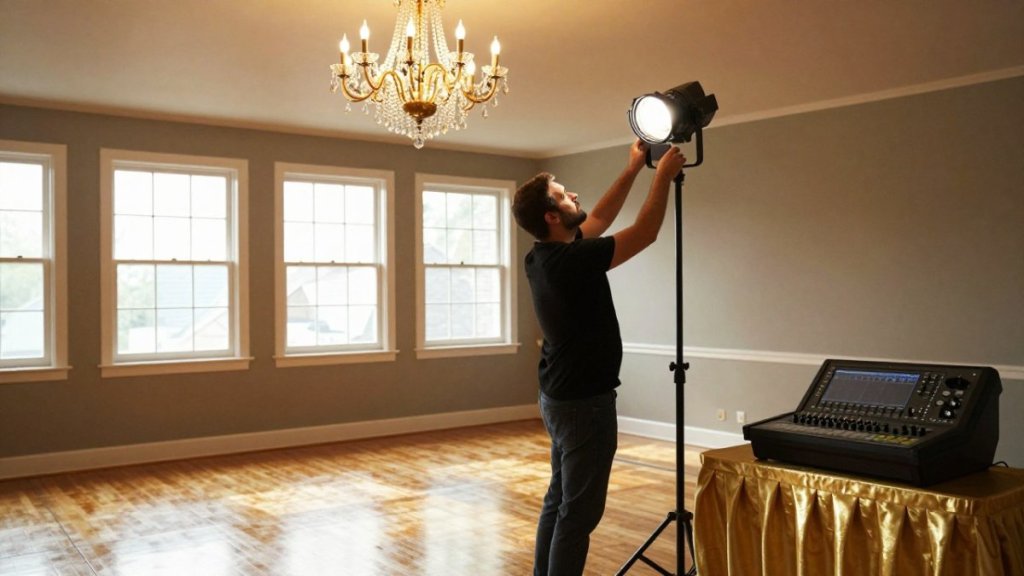
Quick Summary
Cohesive event design for weddings means every element of the day, from invitations to the final dance, feels like it belongs to the same story. Music, lighting, décor and photography are planned as one experience rather than separate purchases, so guests feel a finished room and couples feel the planning is simple.
- Write a three to five sentence vision statement before contacting any vendor.
- Choose three to five palette colors and test them under both daylight and evening light.
- Plan lighting in zones: ceremony, cocktail hour, dinner and dance floor.
- Keep a one-page sensory plan covering sound, scent, texture, temperature and taste.
- Hold a vendor walkthrough on site within two weeks of the event.
Table of Contents
- What Cohesive Event Design Means for a Wedding
- Defining a Wedding Vision Before You Book Anything
- Building a Wedding Color Palette That Carries Through Every Room
- Wedding Design Ideas That Connect Décor, Florals and Attire
- Using Wedding Lighting Design to Set the Atmosphere
- Extending the Look Through Wedding Branding and Signage
- Engaging Every Sense, Not Just Sight
- Keeping Digital and Social Media Consistent With Your Event
- Coordinating Vendors and Managing the Flow of the Day
- Booking Your Coordinated Wedding Production Next
- Frequently Asked Questions
What Cohesive Event Design Means for a Wedding
Last Updated: November 18, 2026
Cohesive event design for weddings means every element of the day, from the invitations to the final dance, feels like it belongs to the same story. Music, lighting, décor and photography work best when they are planned as one experience instead of four separate purchases. Guests notice when a room feels finished.
A cohesive design is not the same as a matching design. When those details work together, even a wedding sign can carry the palette and mood through the space, with HM Print & Design LLC helping make that visual thread feel intentional.
Many couples find that the gap between a beautiful room and a memorable evening comes down to coordination. When one vendor controls the sound and another controls the light, small timing mismatches appear. A song ends and the lights stay on the wrong cue.
The rest of this guide walks through how to build that cohesion, one layer at a time: vision, color, décor, lighting, branding, the senses, digital presence and vendor coordination.
Defining a Wedding Vision Before You Book Anything
Start with a short written vision statement before you contact a single vendor. Three to five sentences describing how you want guests to feel is enough. A useful prompt: “When guests walk in, they should feel ___, and when they leave, they should remember ___.”
A clear vision works as a filter. If a lighting package or a playlist does not serve that sentence, it is a distraction, no matter how appealing it looks on a vendor’s website.
Gather inspiration deliberately. Build a mood board with photos of rooms, textures, music moments and lighting you respond to. Look for patterns in what you pin.
Share the vision with everyone who will shape the day. Your venue coordinator, DJ, lighting team and florist should all be working from the same document. Ask each one how their part supports the stated feeling. Their answers will reveal early where the plan is pulling in different directions.
Building a Wedding Color Palette That Carries Through Every Room
A wedding color palette gives every element a shared reference point. Choose three to five colors: a dominant neutral, a secondary tone, and one or two accents. Test the palette in daylight and under evening light, because a shade that looks soft at noon can turn muddy under amber uplighting.
Apply the palette systematically. Decide where each color lives. The dominant neutral usually covers linens and drapery. The secondary tone appears in florals and chair details. The accent shows up in small, deliberate places: candles, monograms, the lighting wash on a feature wall.
Lighting is where many palettes fail. A deep teal fabric photographs differently under cool white light than under warm amber. Ask your lighting designer to test your exact colors on site, and request a color-swatch check before the event.
Keep the palette flexible enough to absorb surprises. Florists substitute stems, and linens arrive in slightly different dye lots. A palette built on a dominant neutral and a few accents tolerates these shifts far better than one that depends on exact matches.
Wedding Design Ideas That Connect Décor, Florals and Attire
Cohesion across décor, florals and attire comes from repeating shapes, textures and scale rather than identical colors. If the florals are loose and organic, consider a tablescape with natural textures. If the attire is structured and tailored, keep the décor clean and geometric.
Start with one anchor element, such as a ceremony arch, a statement centerpiece or a signature sign. Then link everything else to it. Bridesmaid bouquets can echo the ribbon detail on the menu cards. Groomsmen boutonnieres can use the same bloom as the aisle florals.
Coordinate attire with the venue, not just with each other. A ballroom with gilded detail and dramatic drapery supports formal attire and rich fabrics. A barn or garden setting pairs better with lighter textures and softer tailoring.
Schedule a walkthrough about two weeks before the wedding. Stand where the guests will stand and photograph each space. Gaps in cohesion, such as a floral arrangement that clashes with the uplighting, are easier to fix at that stage than on the day.
Using Wedding Lighting Design to Set the Atmosphere
Lighting does more to shape a wedding room than almost any other element. Warm uplighting on draped walls softens the space, while dance floor lighting creates energy once the music starts. The goal is a lighting plan that changes with the event, not one fixed setup.
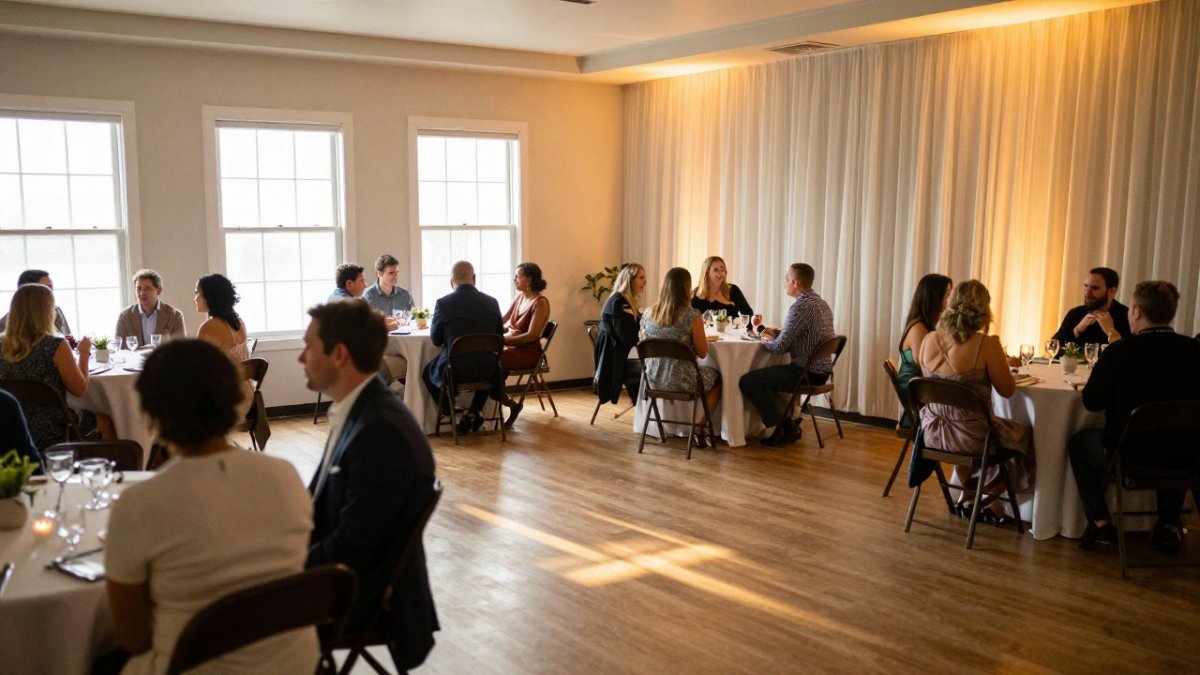
Plan lighting in zones: the ceremony, cocktail hour, dinner and the dance floor each need a different treatment. Wireless uplighting makes it possible to color-shift walls between moments without visible cables.
Moving head fixtures can add a club-style layer to the dance floor. Used with restraint, they bring energy without overpowering the elegance of the room. Set their intensity and color palette to match the rest of the design, and program cues so the light rises with the music and settles during toasts.
The reception room should photograph well from every angle. Ask for a lighting walkthrough during rehearsal to check how the room reads on camera. Plan for the moment when the lights change and confirm that the DJ, lighting operator and photographer share the same timeline.
Extending the Look Through Wedding Branding and Signage
Wedding branding should follow the same palette and typography as the rest of the design. Invitations, save-the-dates, welcome signs, table numbers, menus and the photo booth backdrop all reinforce the same identity when they share a visual system.
Keep the system small. Choose one typeface for headings, one for body text and the palette established earlier. A monogram or simple emblem can appear on everything from the cake to the dance floor lighting, which ties the paper goods to the room itself.
Signage deserves the same care as the stationery. Welcome signs, directional arrows and seating charts are the first things guests read. Place them where they fit the architecture of the venue, and light them so they remain legible during the evening.
Photo booth prints can extend the brand when the booth’s frame design, color scheme and monogram match the wedding stationery, so guests take home images that look like part of the same event.
Engaging Every Sense, Not Just Sight
Most wedding design advice stops at color. A room can match perfectly on a mood board and still feel unfinished because cohesion is processed by every sense, not just the eyes.
Sound as a designed layer. Music is the sense guests notice most, and it should be planned in zones the same way lighting is.
Scent with restraint. Scent is the most overlooked layer and the easiest to overdo.
Texture as tactile design. Texture is how the event feels in the hand, and it carries formality signals that color alone cannot. Linen, velvet, raw silk, wood and stone each read differently under the same lighting.
Temperature and comfort. Guests disengage when they are uncomfortable, and discomfort overrides design.
Taste as the final layer. Food and beverage are part of cohesion too.
Build a one-page sensory plan alongside your mood board: one line each for sound, scent, texture, temperature and taste, with the vendor or person responsible for each.
Keeping Digital and Social Media Consistent With Your Event
Your digital presence is part of the event design. Wedding websites, social media posts and the guest-facing online album are often the first and last impressions guests have of the day. When they match the physical design, the whole experience reads as one story.
Use the same palette, typography and monogram on your wedding website that appear on the invitations and signage. Keep the RSVP and details pages clean and easy to scan. Guests who visit the site before the event should recognize the look when they walk into the room.
Plan a social media strategy before the day. Decide which moments you want captured for sharing, such as the entrance, the first dance or the photo booth, and brief your photographer and booth operator accordingly.
Afterward, curate the images into an album that follows the same visual language. A consistent final gallery reinforces the design you planned and gives the couple a document of the day that matches the room they actually celebrated in.
Coordinating Vendors and Managing the Flow of the Day
Cohesion is protected or lost in the handoffs between vendors. Each vendor works from their own template, and the couple’s job is to make sure those templates describe the same event.
Build a one-page design brief. Before contracts are signed, write a single page that states the vision in three to five sentences, lists the palette with exact color references, names the two or three textures and the monogram, and describes the intended mood for each phase of the day. Keep it to one page; vendors read one page and skim ten. Attach the mood board as a second page and reference it by number in the brief so a florist and a lighting designer are looking at the same image when they discuss a color.
Assign a single point of contact. Decide before the event who has final authority on design decisions on the day, and confirm that every vendor knows that person’s name and phone number.
Use a shared master timeline with named cue owners. List every moment in order, and next to each one write the vendor responsible for the cue and the exact time.
Hold a vendor walkthrough on site. Schedule a walkthrough at the venue with the florist, lighting designer, DJ and photographer present at the same time, ideally within two weeks of the event. Walk the guest path in order and stop at each cue point. This is where conflicts surface: a floral installation that blocks an uplight, a speaker position that fights the photographer’s angle, a signage placement that is unreadable from the entrance.
Confirm technical compatibility in writing. Ask whether the DJ and the lighting team are the same company or separate vendors, because separate teams mean a longer communication chain when a cue slips.
Run a rehearsal of the cues, not just the ceremony. A ceremony rehearsal covers the processional and recessional, but the reception cues are where cohesion usually breaks.
The table below summarises the vendor coordination steps the article recommends, so you can check each one before the event.
| Step | What to do | Timing |
|---|---|---|
| Design brief | One page: vision, palette, textures, monogram | Before contracts are signed |
| Point of contact | Name one person with final design authority | Before the event |
| Master timeline | List each cue with a named owner and exact time | Before the event |
| Vendor walkthrough | Walk the guest path with all vendors present | Within two weeks of the event |
| Technical check | Confirm power, DMX control and backup plan in writing | Before the event |
| Cue rehearsal | Run entrance, first dance, toasts and last song | Rehearsal day |
Booking Your Coordinated Wedding Production Next
Once your vision, palette, lighting plan and vendor timeline are in place, the next step is choosing a production team that can deliver them as one system. Rakis Productions, led by Nikos Rakis, plans DJ and MC entertainment, wireless uplighting, moving head dance floor lighting and Minyma Booth photo booth experiences through a single planning path, so music, timelines and visual elements stay synchronized across the reception room.
Pricing depends on the date, guest count, venue and the services you select, so request a quote tailored to your event. Visit the Rakis Productions website or use the contact form to request current pricing and a planning consultation.
Share your vision statement, your palette and your guest count when you reach out. That gives the team what it needs to show how the room, the music and the lighting will work together on your day.
Frequently Asked Questions
How do you create a cohesive wedding design?
Start with a single vision statement, such as a few words describing the mood you want guests to feel. Use that vision to pick one color palette, two or three textures, and a short list of design elements. Apply those choices to stationery, florals, linens, lighting and the playlist, then check each vendor’s plan against the same list before final payments. Consistency comes from making every decision reference the same source, not from matching every item exactly.
How do you choose a wedding color palette that works throughout the event?
Choose three to five colors: one dominant neutral, one or two accent colors, and one metallic or contrast tone. Test them under the lighting you will actually use, since warm uplighting can shift blues toward gray and whites toward cream. Confirm the palette on fabric swatches, not screens, and keep it consistent across the ceremony, cocktail hour and reception. Share the palette with every vendor so florists, linen suppliers and stationers work from the same reference.
How can lighting help create a cohesive wedding atmosphere?
Lighting links the rooms of an event together. Wireless uplighting in a matching color tone can make a reception room feel finished, while monogram projections repeat the couple’s branding on walls or the dance floor. Moving head fixtures add energy to the dance floor, and dimmer, warmer light during dinner keeps the mood elegant. Plan the lighting cues alongside the music timeline so changes in brightness happen at the moments that matter, such as the first dance or the cake cutting.
What are some unique wedding design ideas that stay consistent?
Repeat one signature element across the day, such as a monogram, a botanical motif or a specific floral shape. Carry it through invitations, signage, the escort card table, lighting gobos and a custom dance floor graphic. Another approach is a seasonal theme, like autumn foliage textures on linens and candle holders paired with amber lighting. The goal is a motif that appears in at least three places, so guests notice it without the design feeling repetitive.
Do all wedding vendors need to work from one plan?
Vendors do not need to share one contract, but they need one reference document. A shared design brief with the palette, timeline, key moments and contact list lets the florist, lighting team, DJ and photographer make decisions that fit together. Ask each vendor to confirm setup times and power or rigging needs in writing. Coordinated production, where one team handles music, lighting and a photo booth under one timeline, reduces the number of handoffs where details get lost.
How do you keep wedding branding and signage consistent with the decor?
Use the same fonts, colors and monogram across the save-the-date, welcome sign, table numbers, menus and any projected graphics. Print signage on materials that match the décor finish, such as acrylic for modern spaces or wood for rustic themes. Place signs at the points where guests make decisions, including the entrance, the seating chart and the bar, so the branding guides them rather than competing with the room.
How can a wedding engage guests beyond sight?
Sound, scent and temperature shape how a room feels. Match the music tempo to each phase of the day, keeping background volume low during dinner and raising energy for the dance floor. Use scent sparingly, since strong floral or candle fragrances can bother guests with sensitivities. Consider the room temperature during a long ceremony, and offer a signature drink or small bites that reflect the event’s theme.
What should you ask a wedding production team about backup plans?
Ask who your point of contact will be on the day, how the team handles equipment failure and whether they carry spare fixtures, microphones and power cables. Confirm how lighting cues and music timelines are synced, and ask for a written run-of-show. A single production team handling music, lighting and a photo booth can reduce coordination gaps, but ask how they would reassign tasks if one person became unavailable. Pricing depends on guest count, date, venue and services, so request a current quote from Rakis Productions through its website contact form.

