
Last Updated: November 13, 2026
Quick Summary
Hire a professional event lighting designer as soon as your date and venue are confirmed, so they have time to walk the space and build a concept. Ask for portfolio work in venues like yours, and get scope, setup times, power needs, and backup plans in writing.
- Book early, ideally as soon as the date and venue are confirmed.
- Bring your event needs to two or three designers and ask how they would approach your room.
- Look for portfolio work in similar venues and ask whether photos were taken during the event.
- Verify fixtures included, setup and teardown times, power requirements, and backup plans before signing.
- Compare quotes by fixture count, crew hours, programming, and time on site, not the bottom number.
Table of Contents
- What a Professional Event Lighting Designer Does
- When and How to Hire an Event Lighting Designer
- Event Lighting Designer Cost and Budget Drivers
- Wedding Reception Lighting Ideas and Event Uplighting
- Booking Your Lighting Consultation with Rakis Productions
- Frequently Asked Questions
What a Professional Event Lighting Designer Does
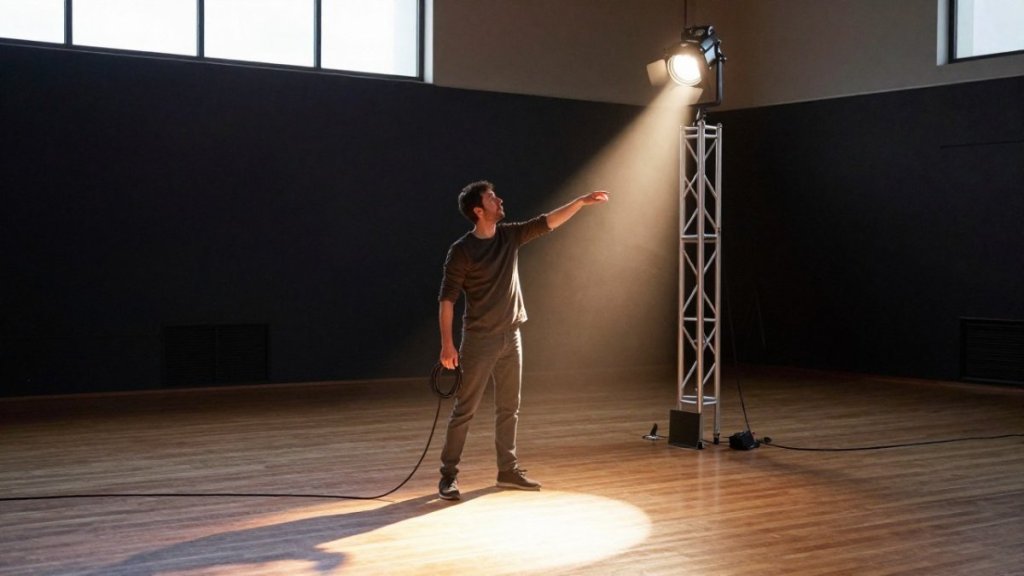
Hiring a professional event lighting designer changes how a room looks and feels, not just how bright it is. A designer plans the light before the guests arrive, deciding where color goes, which surfaces get attention, and how the room shifts from cocktail hour to the first dance.
A good designer starts with a site walkthrough, a conversation about the event’s mood, and a clear picture of what the client wants guests to remember. Readers weighing that investment can see whether professional event lighting is worth the cost. From there, the work covers fixture placement, color palettes, power planning, and the programming that changes the lights through each part of the night.
Lighting for Weddings and Corporate Events
Weddings and corporate events need different things from light. A wedding reception usually aims for warmth, romance, and photographs that look good, so the designer focuses on uplighting walls and draping, accent lighting on the cake and head table, and soft ambient tones during dinner.
The gap between a room that feels finished and one that feels unfinished often comes down to lighting that was planned for the specific room. Many venues look plain under standard overhead lights, and a designer can change that with a modest number of fixtures placed carefully.
Fixtures and Equipment: LED Pars, Moving Heads, and Washes
Most event designs rely on a few fixture types, each with a clear job:
- LED pars provide even wash light and are a common choice for uplighting walls and architecture.
- Moving head fixtures create beams and patterns that move, which suits dance floors and high-energy receptions.
- Wash fixtures cover large areas with broad, even color, useful for stages and backdrops.
A designer chooses the mix based on the room’s size, ceiling height, and the energy the event needs. Using too many moving heads in a small, formal room can feel overwhelming, so the right answer is often fewer fixtures placed with more intent.
When and How to Hire an Event Lighting Designer
Book a lighting designer early, ideally as soon as the date and venue are confirmed. Designers need time to walk the space, check power and rigging options, and build a concept the client can approve. Late bookings limit the options and can make it harder to coordinate with other vendors such as the DJ, caterer, and photographer.
Start by listing what the event needs: the number of guests, the venue type, the key moments of the night, and any brand or color requirements. Bring this list to a short call with two or three designers. Ask how they would approach your room and what they would prioritize.
How to Evaluate Portfolios and Past Work
Portfolio photos can be misleading, since professional photography flatters almost any room. Look for work in venues similar to yours, and ask whether the photos were taken during the event or after the setup was finished. Video is often more revealing, because it shows color transitions and how the lights move.
Ask about the designer’s experience with your specific event type and room size. A designer who has handled ballrooms may not be the best fit for a small outdoor tent, and the reverse is also true. Request references from recent clients, and ask those clients whether the setup and teardown went as planned.
Questions to Ask and Contract Details to Verify
Before signing, confirm the details that often cause problems on event day:
- Scope: Which fixtures are included, and how many? Does the price cover programming and an on-site operator?
- Setup and teardown times: How long will the crew need before the event, and when will they leave?
- Power and load requirements: Does the venue have enough circuits, and who confirms that?
- Backup plan: What happens if a fixture fails during the event?
- Changes: How are revisions handled after the contract is signed, and are there fees?
- Insurance and liability: Is the designer insured, and does the venue require a certificate?
Get every promise in writing. A verbal assurance that the crew will arrive at 2 p.m. is easy to forget when the schedule slips.
Event Lighting Designer Cost and Budget Drivers
Most lighting pages either hide pricing entirely or quote a single package rate without explaining what moves the number. For a look at how lighting is bundled with DJ services, compare package structures before requesting a quote.
Lighting costs are built from five line items, and each one scales independently:
- Fixture count and type. LED pars used for uplighting are the lowest-cost fixture per unit. Moving heads and beam fixtures cost more per unit and usually require more labor to aim and program. A room that needs 12 uplights is a different budget than a room that needs 12 uplights plus 8 moving heads.
- Labor and crew size. Load-in, focus, and load-out are billed by crew hours. A ballroom with a loading dock and a freight elevator takes fewer hours than a historic venue where every case comes up a staircase. Ask how many technicians the quote assumes and how many hours on site.
- Rigging and power. If fixtures hang from a truss or a venue rigging point, the quote should include rigging labor and any certified rigger the venue requires. Distro and cable runs add cost when outlets are far from the stage.
- Programming and operation. Design time to build cues is separate from the operator who runs the show. A quote that includes an on-site operator for the full event is not comparable to one that hands over a pre-programmed console.
- Event duration and overtime. Most quotes cover a defined window. Extending the reception by an hour, or a venue that pushes load-out past midnight, can trigger overtime rates.
Watch out: a quote that is dramatically lower than the others usually omits labor, programming, or load-out.
Ask whether a bundled quote reflects that shared labor or simply adds the two prices together.
The article breaks lighting costs into five line items, each of which scales independently.
| Cost driver | What moves the price | What to ask for |
|---|---|---|
| Fixture count and type | LED pars cost least; moving heads cost more per unit | Fixture count and type listed separately |
| Labor and crew size | Crew hours for load-in, focus, and load-out | Number of technicians and hours on site |
| Rigging and power | Rigging labor, certified rigger, distro and cable runs | Rigging and power costs itemized |
| Programming and operation | Design time is separate from the on-site operator | Whether an operator is included for the full event |
| Event duration and overtime | Extra hours or late load-out trigger overtime rates | The covered time window and overtime rates |
Wedding Reception Lighting Ideas and Event Uplighting
Reception lighting often has the biggest impact on photos and guest comfort, so it deserves attention early in planning. Common approaches include warm uplighting on walls and columns, monograms or custom gobos projected onto a dance floor, and color shifts that match the phases of the evening.
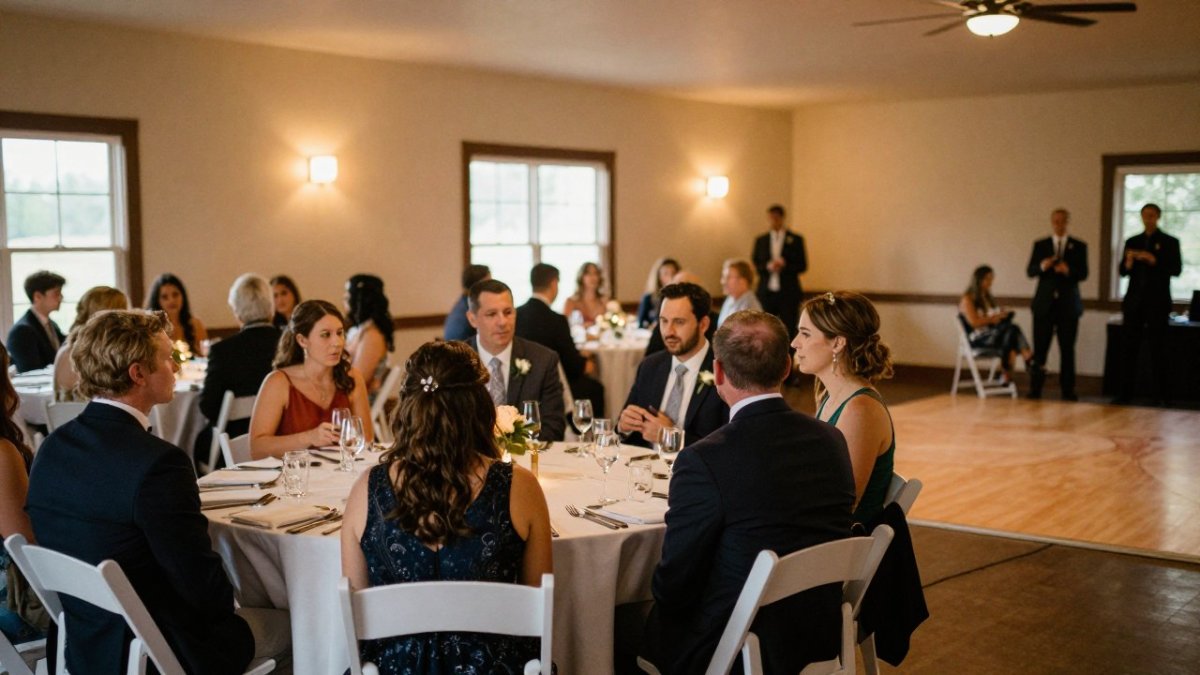
Event uplighting works best when it reflects the room’s architecture. Explore wedding uplighting options for Boston and Rhode Island to see the choices available. A tall, narrow space benefits from light that draws the eye upward, while a low, wide room may look better with a soft wash along one wall.
Dance Floor Lighting and Moving Head Fixtures
Dance floor lighting adds energy, and moving head fixtures are the usual tool for it. Review the dance floor lighting services and fixtures offered before choosing a setup. Used well, they create movement and a club-style feel without overpowering a formal event. The key is restraint: choose a few colors that match the event palette, control the speed of the movement, and reduce the intensity during speeches and dinner.
Booking Your Lighting Consultation with Rakis Productions
Rakis Productions coordinates lighting with DJ/MC entertainment and photo booth services, so the room, timeline, and dance floor feel connected. If you are planning a wedding, milestone celebration, or corporate event in New England, the team can walk through your venue, discuss the mood you want, and outline a setup that fits your budget and guest count. To check availability and request a quote, use the contact form on the Rakis Productions website and share your event date, venue, and guest count.
Frequently Asked Questions
What does a professional event lighting designer do?
A professional event lighting designer plans how light will shape a room before the event day. The work covers choosing fixtures such as LED pars, moving heads, and wash lights, placing them to highlight architecture, décor, and the dance floor, and programming cues so the lighting follows the event timeline. Good designers also walk the venue in advance to check power, rigging points, and load limits, then coordinate setup and teardown with the other vendors on site.
How much does it cost to hire an event lighting designer?
Pricing depends on the size of the venue, the number and type of fixtures, the length of the event, whether the design includes custom effects, and whether equipment is rented or supplied as part of a full-service package. For current pricing and a quote tailored to your date and venue, contact Rakis Productions directly through the contact form on the website.
Can an event lighting designer work with my venue and DJ?
Yes. A designer should coordinate with your venue coordinator on power and rigging, and with your DJ or band on timing so lighting changes match key moments such as entrances, toasts, and the first dance. When one team handles music, lighting, and a photo booth, the timeline and visual elements stay synchronized, which reduces last-minute conflicts on the day.

