
Quick Summary
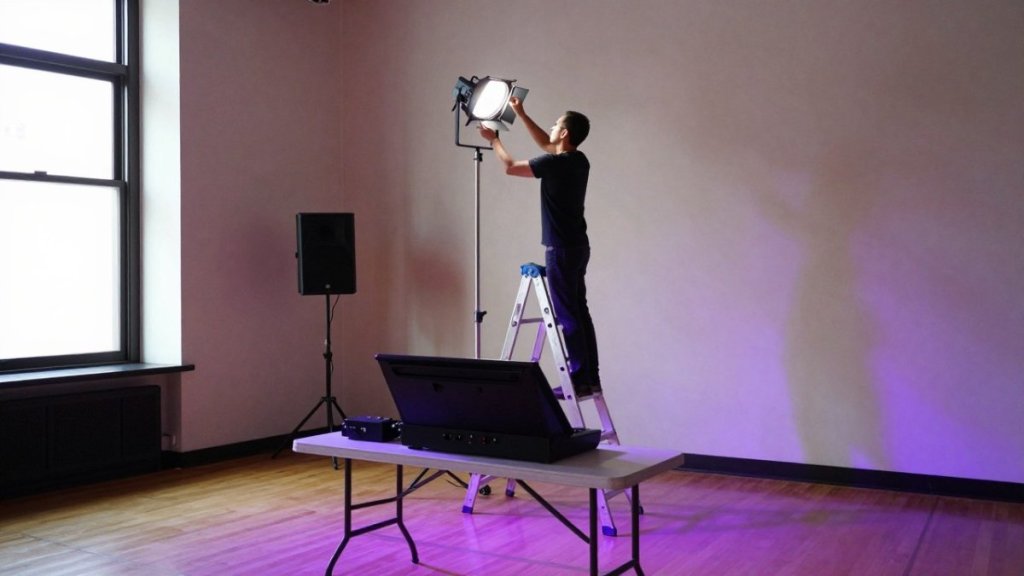
Corporate event lighting design is the process of layering ambient, accent, and task lighting to suit the venue and the event’s goals. Start by walking the room at the hour the event will run, then balance the three layers so no single one overwhelms the others.
- Walk the venue at the hour the event will run, since daylight changes how spaces read.
- Note ceiling height, existing fixtures, and rigging restrictions before choosing equipment.
- Use ambient light for the general level, accent light for features, and task light for speakers.
- Confirm equipment, power requirements, and setup and strike times with your production partner early.
- Have the venue approve every rigging point, because unrated loads near guests are a safety risk.
Table of Contents
- Start With the Venue and the Event Goals
- Layer Ambient, Accent, and Task Lighting
- Plan Professional Event Lighting Equipment and Setup for Your Next Corporate Event
- Frequently Asked Questions
Start With the Venue and the Event Goals
Begin by asking what the event lighting design needs to do. A product launch, a fundraiser, and a holiday party call for different moods and different levels of visibility. Walk the room at the hour the event will run, not in the afternoon, because daylight changes how spaces read. Note the ceiling height, existing fixtures, and any rigging restrictions the venue imposes.
Layer Ambient, Accent, and Task Lighting
A good event lighting design works in layers. Ambient light sets the general level, accent light highlights features such as a stage backdrop or a logo wall, and task light keeps speakers and presenters clearly visible. Balance the three so no single layer overwhelms the others. Refining these foundational layers creates a cohesive atmosphere that is essential for improving live event visual impact as production standards continue to evolve.
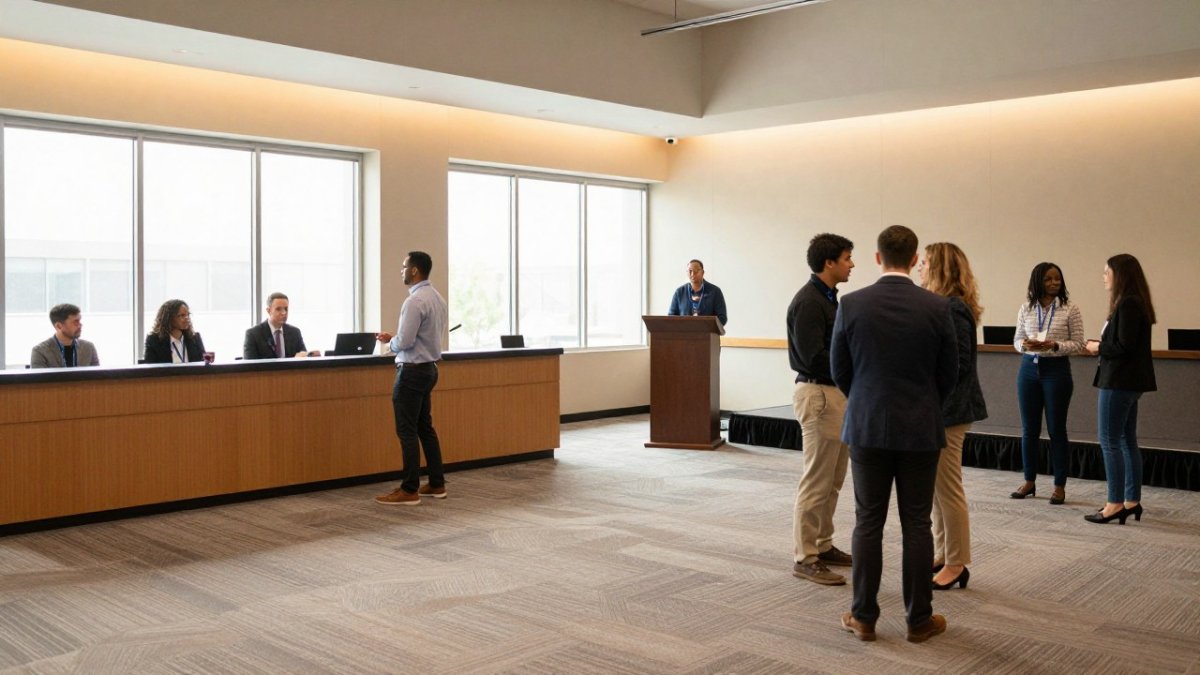
The three lighting layers each have a distinct job, summarised below.
| Layer | Purpose | Example |
|---|---|---|
| Ambient | Sets the general light level | Overall room lighting |
| Accent | Highlights features | Stage backdrop or logo wall |
| Task | Keeps speakers visible | Presenters and speakers |
Plan Professional Event Lighting Equipment and Setup for Your Next Corporate Event
Confirm the equipment list, the power requirements, and the setup and strike times with your production partner well before load-in. Pricing depends on quantity, dates, and delivery, so request a quote from Rakis Productions for current figures. Once you have a plan, book a professional event lighting consultation to test the design against your venue before the event day.
Watch out: rigging near guests or over a stage without a confirmed load rating is a safety risk, so have the venue approve every point before anything goes up.
Last Updated: November 19, 2026
Frequently Asked Questions
How much lighting does a corporate event need?
There is no single rule. Start by mapping the spaces guests will use, then light each zone for its job: the stage or presenter area needs the strongest, most even light, while dining and networking areas need softer ambient light. Test the plan on site before the event. Pricing for professional event lighting depends on quantity, dates, and delivery, so request a quote from Rakis Productions for current figures.
Does event lighting design affect attendee engagement?
Yes. Lighting shapes how people feel and where they look. Clear, well-aimed light on presenters helps audiences follow along, while overly dim or harsh lighting makes people tired or distracted. Using color and mood to reinforce your brand can make the room feel intentional. Keep effects restrained so they support the program rather than compete with it.
What are common lighting mistakes at corporate events?
The most frequent mistakes are poor presenter visibility, too many competing effects, and ignoring the venue’s ceiling height and rigging limits. Glare on screens and light spilling into the audience are also common problems. Another is skipping a run-through with the actual equipment and cues. Reviewing these points during planning prevents most last-minute issues on the day.

